
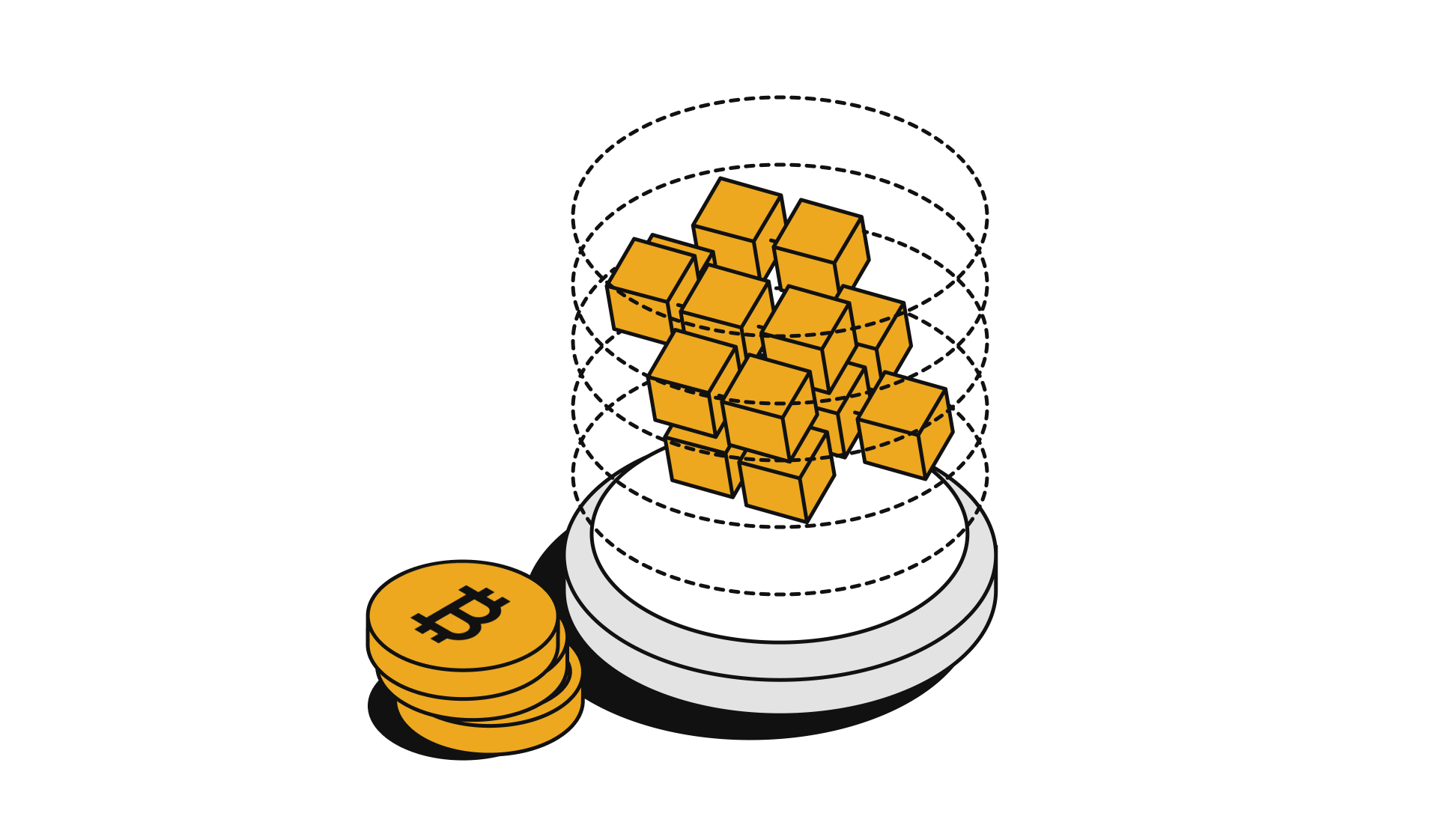
If you’re new to Bitcoin (BTC) investment, you might be wondering where it comes from. Unlike traditional money, Bitcoin isn’t printed by a government or central bank. Instead, it’s created through a process called mining, and those who create it are called miners.
Miners use powerful computers to verify transactions on the Bitcoin network. When they successfully do this, they’re rewarded with newly created Bitcoin. This process not only adds new Bitcoin to circulation but also keeps the network secure and functioning smoothly.
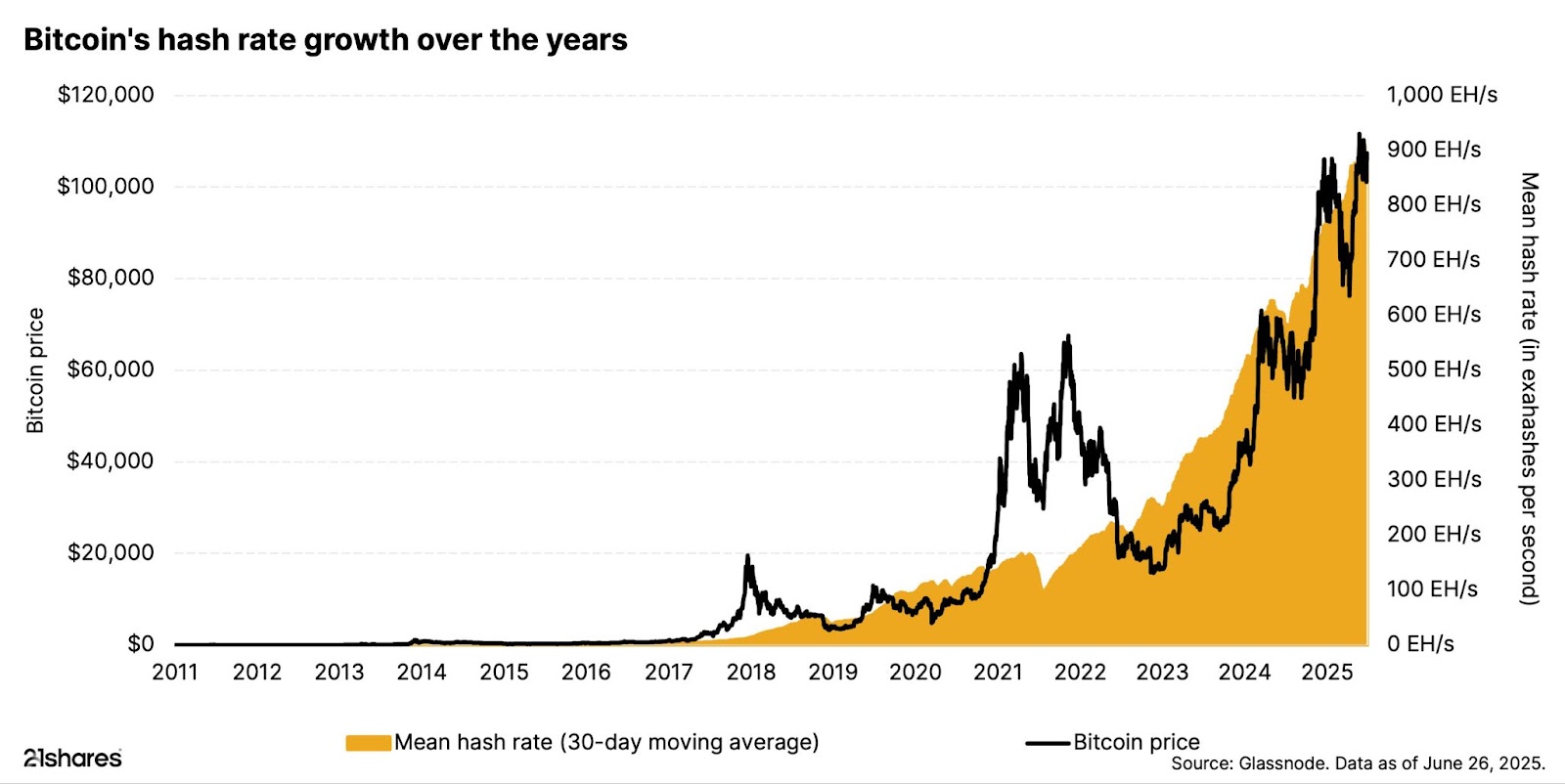
As more miners join, Bitcoin’s hash rate rises, increasing mining difficulty and strengthening the network’s security against attacks. A hash rate measures how much computing power is being used to run and secure the Bitcoin network. Today, Bitcoin’s hash rate is at an all-time high, a sign of growing interest from institutions and strong confidence among miners.
Below, we explore what makes Bitcoin mining sustainable and why understanding this matters for investors looking to assess long-term value.
How Bitcoin miners stay profitable
Bitcoin miners hold 8.5% of all Bitcoin, which means their actions can affect the market in a big way. That's why individuals closely monitor their earnings and sustainability.
Every four years, Bitcoin goes through a built-in process called a halving. This cuts the reward miners earn by half, slowing down the creation of new Bitcoin. It’s designed to make Bitcoin predictably scarce. The most recent halving in April 2024 reduced the reward to 3.125 BTC per block, making Bitcoin’s inflation rate lower than gold’s, a historic moment.
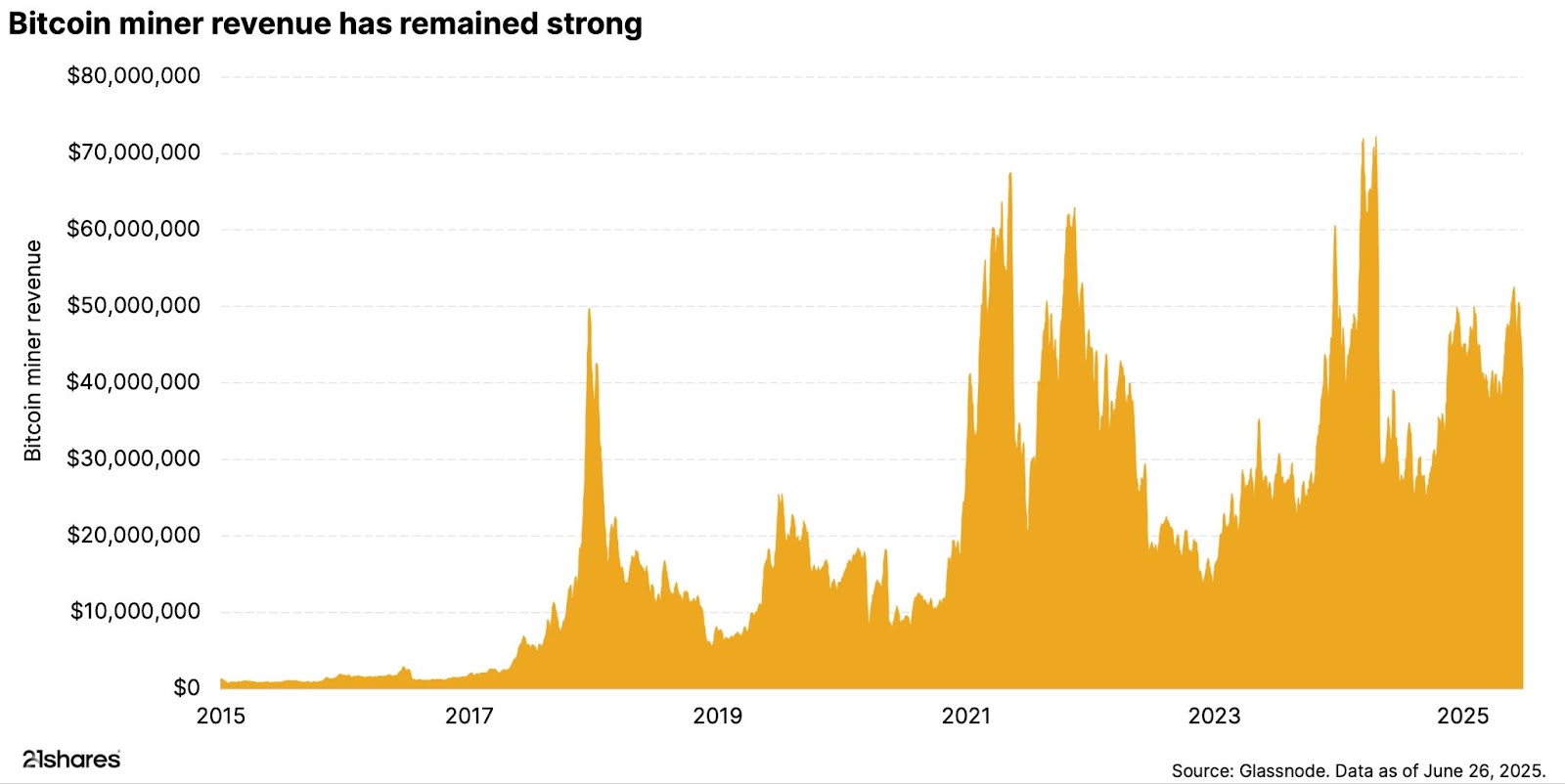
This brings up an obvious question: do miners still make money? The answer is yes. Even though they now earn fewer Bitcoin, their earnings in U.S. dollars have remained strong because Bitcoin’s price has grown over time. Today, most of their income still comes from block rewards, but transaction fees are expected to become a bigger part of their earnings as Bitcoin's on-chain capabilities expand.
How Bitcoin mining adapts to market changes
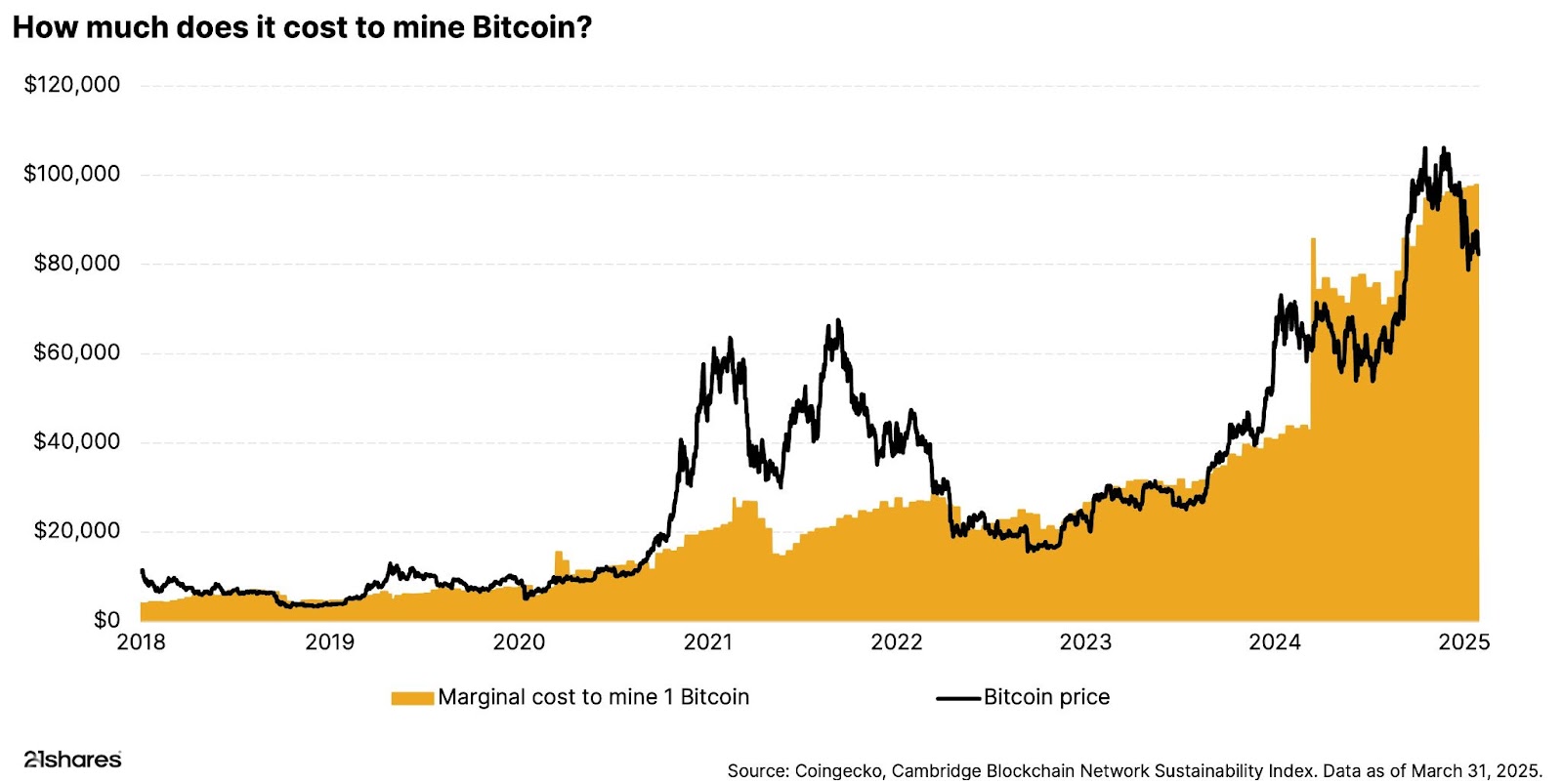
Like traditional commodity producers, Bitcoin miners are sensitive to costs. When Bitcoin’s price falls below the production cost, less efficient miners shut down. The network responds by reducing mining difficulty, easing pressure and allowing it to reset. This feedback loop often aligns with market bottoms and reflects Bitcoin’s rising structural support.
Over time, it favors leaner, more innovative miners, driving new solutions. Once seen as an environmental threat, Bitcoin is now embracing greener practices, from using volcanic energy in El Salvador to stabilizing power grids in Pakistan, transforming mining into a driver of energy innovation and economic resilience.
The bottom line
Tether, the world’s largest stablecoin issuer, recently announced plans to open-source its Bitcoin Mining OS to lower entry barriers and decentralize infrastructure. It also partnered with Ocean, a decentralized mining pool initiative, to democratize block-building. These aren’t just technical advancements, but strategic efforts to safeguard over $10 billion in BTC held on their balance sheet.
As Bitcoin adoption accelerates, mining is no longer seen just as a business. It’s emerging as a long-term strategy to protect capital and assert financial sovereignty. More than a profit-driven activity, mining represents a principled stand: a rare opportunity for individuals and institutions to opt out of legacy financial systems and actively secure their wealth within a decentralized, global monetary network.







_logo.svg)

.svg.png)