
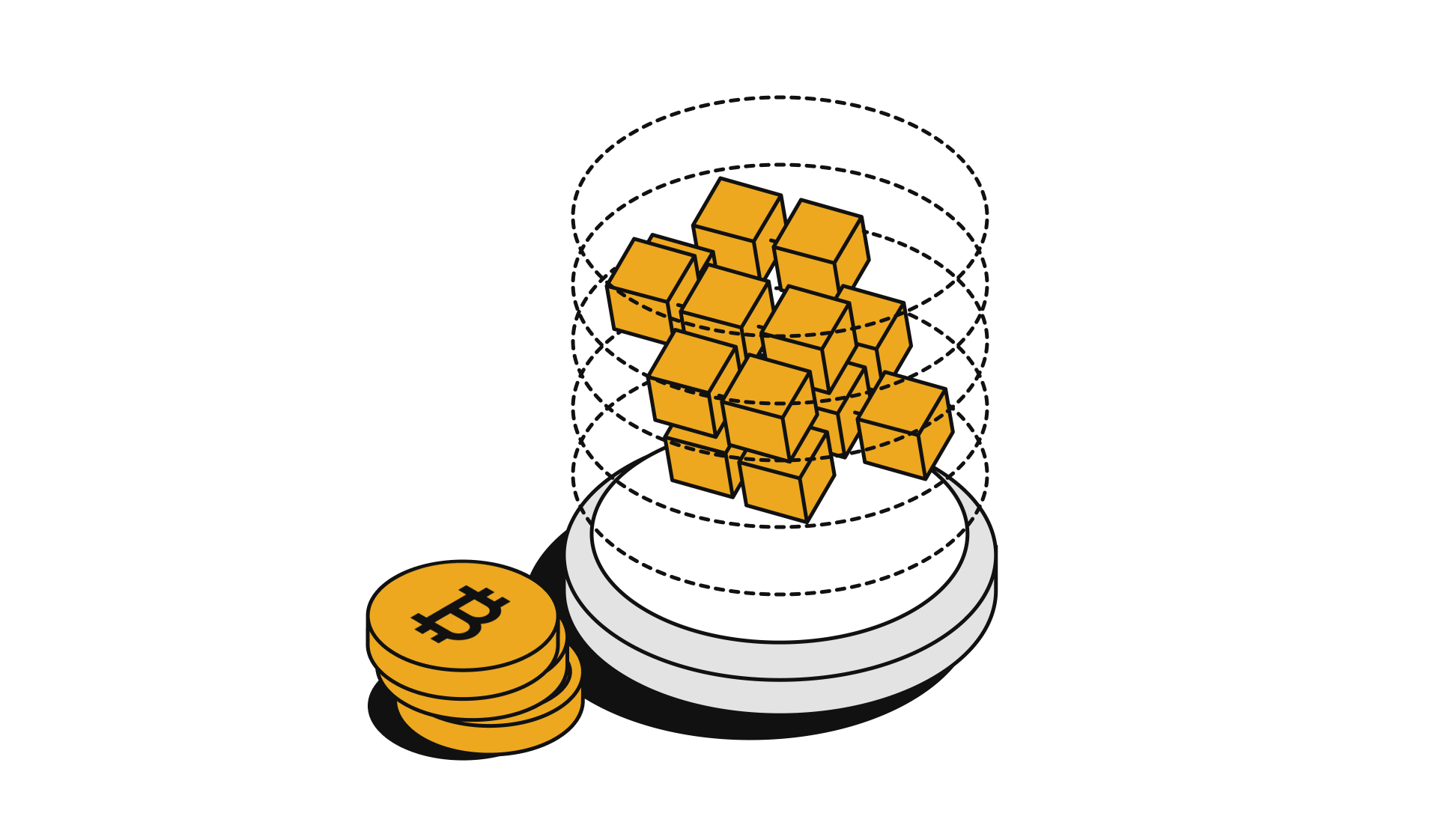
Bitcoin is set to undergo an upgrade later this year that could significantly increase how much data can be stored on its blockchain. Known as OP_RETURN, the change would raise the current 80-byte limit for embedding data to nearly 4 megabytes per transaction. However, not everyone is on board, and they question whether this change could shift Bitcoin’s future role and functionality.
What exactly is OP_RETURN?
OP_RETURN is a special feature that allows users to attach a small piece of extra information, like a note or data, directly to a transaction on the blockchain. Think of it as writing a short message into a transaction.
The data is stored in an output that is intentionally marked as unspendable, meaning it can’t be used again in future transactions. These OP_RETURN outputs aren’t meant for sending or receiving Bitcoin; they are specifically for storing data.
Why is everyone talking about the upgrade?
The Bitcoin community is divided over the proposed OP_RETURN upgrade. Supporters see it as a way to make the blockchain more efficient and open up new uses, while critics worry it could flood the network with non-financial data, turning it into spam and distracting from Bitcoin’s original purpose as a peer-to-peer digital currency.
Supporters argument
- Safer and more efficient: The current small limit leads to more problematic storage methods, placing a greater burden on nodes or connected computers. Expanding OP_RETURN storage is safer and more efficient.
- Greater utility: Allowing larger data could unlock applications beyond simple transactions, enhancing Bitcoin’s overall relevance.
- Realistic usage: Many users already bypass current limitations, embedding larger data through inefficient workarounds.
Critics counter
- Network congestion: Increasing storage risks more spam, higher transaction fees, and network strain.
- Philosophical divergence: Embedding extensive non-financial data distracts from Bitcoin's core financial mission.
- Consensus concerns: This upgrade lacked broad consensus, potentially setting an unsettling precedent for future protocol changes.
Potential use cases of OP_RETURN
- NFT expansion: Larger storage facilitates richer, more complex non-fungible tokens (NFTs) on Bitcoin, potentially increasing market attractiveness.
- Document and data verification: Organizations could use Bitcoin's immutable ledger to store comprehensive records, enhancing document verification and timestamping.
- Detailed financial metadata: Enhanced data storage could enable more comprehensive transaction metadata, improving compliance, auditing, and integration capabilities.
- Protocol innovation: The upgrade may lead to new protocols built on Bitcoin, much like the Ordinals protocol, which would enable a variety of blockchain functionalities.
Why investors should care about OP_RETURN?
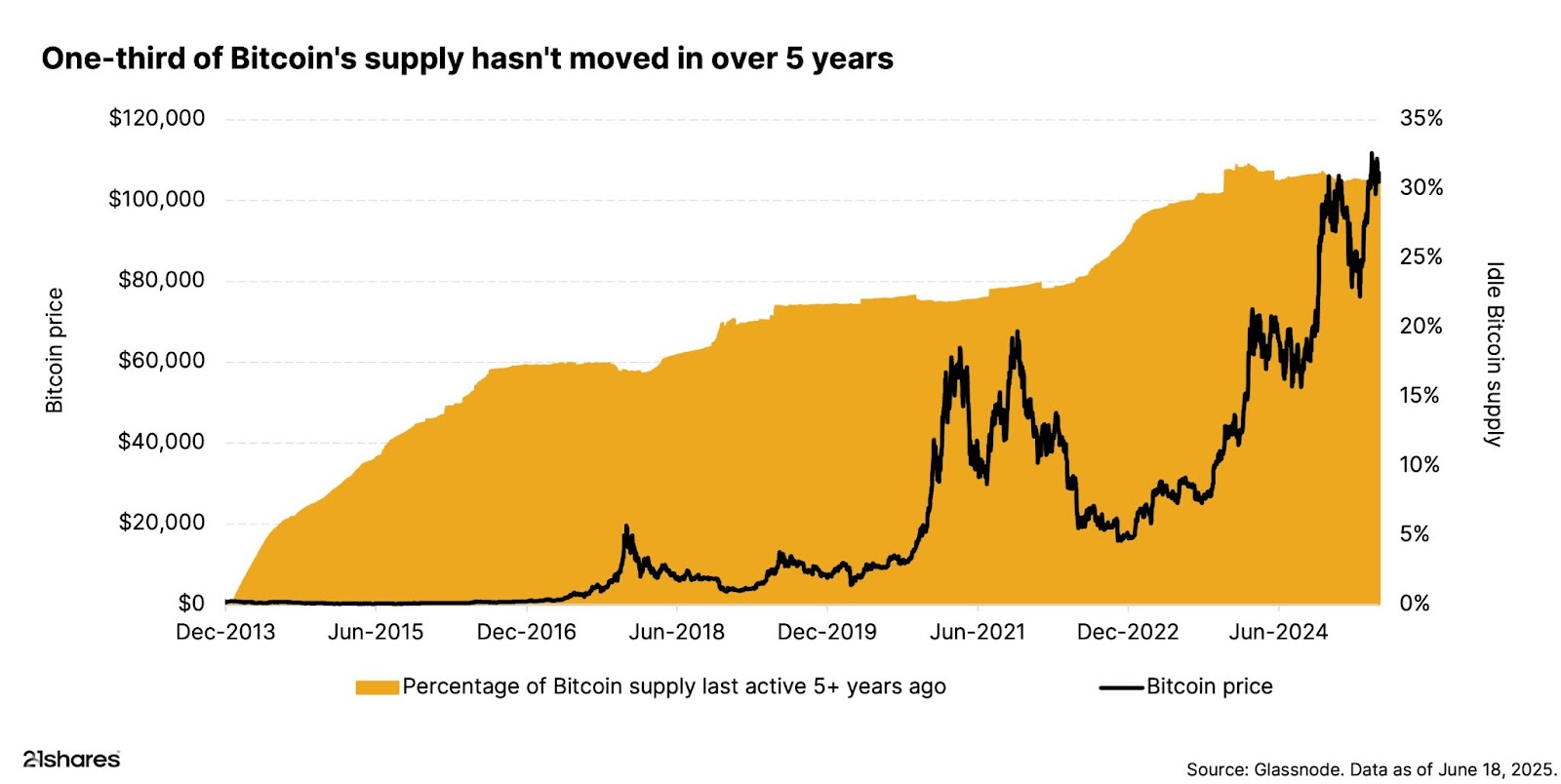
The OP_RETURN upgrade could mark a major turning point for Bitcoin. By enabling greater data storage and programmability, it opens the door to broader adoption and new use cases, particularly important given that nearly 30% of Bitcoin’s supply hasn’t moved in over five years. This added functionality could increase Bitcoin’s utility and long-term value, positioning it to better compete with smart-contract platforms.
For investors, the enhanced support for financial metadata and compliance tools may accelerate institutional interest. While the upgrade is controversial, it signals a critical evolution in Bitcoin’s trajectory, one that could redefine its role in the digital asset ecosystem.









_logo.svg)

.svg.png)