
Ethereum is making headlines due to a potential change in its core software, the Ethereum Virtual Machine (EVM). In simple terms, the EVM is like a giant, global computer that operates across thousands of computers, enabling Ethereum to execute smart contracts and securely track transactions.
However, Ethereum's co-founder, Vitalik Buterin, has suggested replacing the EVM with a new system called RISC-V, an open-source computing architecture. Buterin has proposed this shift in response to several significant challenges Ethereum is currently facing, including scalability issues, efficiency bottlenecks, and declining revenue at its foundational layer.
Currently, Ethereum handles about 30 transactions per second, but with RISC-V, that could potentially rise to around 3,000 transactions per second, enabling Ethereum to compete with faster blockchains like Solana.
Moreover, addressing these challenges would not only enhance Ethereum's overall functionality but also likely boost the value of its native token Ether, ultimately benefiting investors.
Here’s why investors should understand RISC-V and its potential benefits for the Ethereum ecosystem.
First, understand what EVM vs. RISC-V is
The EVM is designed specifically for Ethereum and uses a method called "stack-based execution," where it processes instructions using a data structure stack. While this worked in the beginning, it has become slow and inefficient over time, making even simple tasks more complicated and slowing down transactions, which also increases costs.
On the other hand, RISC-V is a more efficient computing architecture used in many devices beyond blockchain, such as smartphones and computers. It uses "register-based execution," which requires fewer steps to complete tasks.
Additionally, RISC-V is better suited for a technology called "zero-knowledge proofs" (ZK proofs), which Ethereum uses for privacy and scalability. With the EVM, adapting to ZK proofs is slow and resource-heavy, but RISC-V can speed this process up by 50 to 100 times, potentially improving Ethereum’s scalability.
How Ethereum users could benefit
1. Increase in efficiency: With RISC-V, Ethereum could become up to 100 times faster in certain tasks, particularly in generating zero-knowledge proofs (ZK proofs) and executing smart contracts. This boost in efficiency would allow Ethereum to process many more transactions per second.
2. Lower transaction costs: With RISC-V, fewer computational steps are required for transactions, resulting in significantly lower user fees. Lower fees would attract more developers and users, strengthening Ethereum’s position as the leading platform for on-chain applications.
4. Easier maintenance: The EVM currently comprises more than 50,000 lines of code, making it complicated and difficult to maintain. In comparison, a RISC-V implementation might require fewer than 10,000 lines of code, significantly reducing complexity. This reduction in technical debt means easier maintenance, fewer bugs, and quicker future upgrades.
5. Broader Programming Support: RISC-V supports a wide range of programming languages and tools that developers are already familiar with, making it easier for new developers to build applications on Ethereum.
6. Strategic competitive advantage: From a strategic viewpoint, adopting RISC-V positions Ethereum as an innovative leader in blockchain technology, helping it regain ground against competitors offering higher speeds and lower costs.
Why is this change important for investors?
Vitalik Buterin’s proposal is more than just a technical upgrade; it presents a pivotal opportunity to position Ethereum as the leading blockchain platform. If successful, transitioning to RISC-V could make Ethereum faster, more affordable, and more accessible, addressing user demand and ensuring its continued leadership in blockchain innovation.
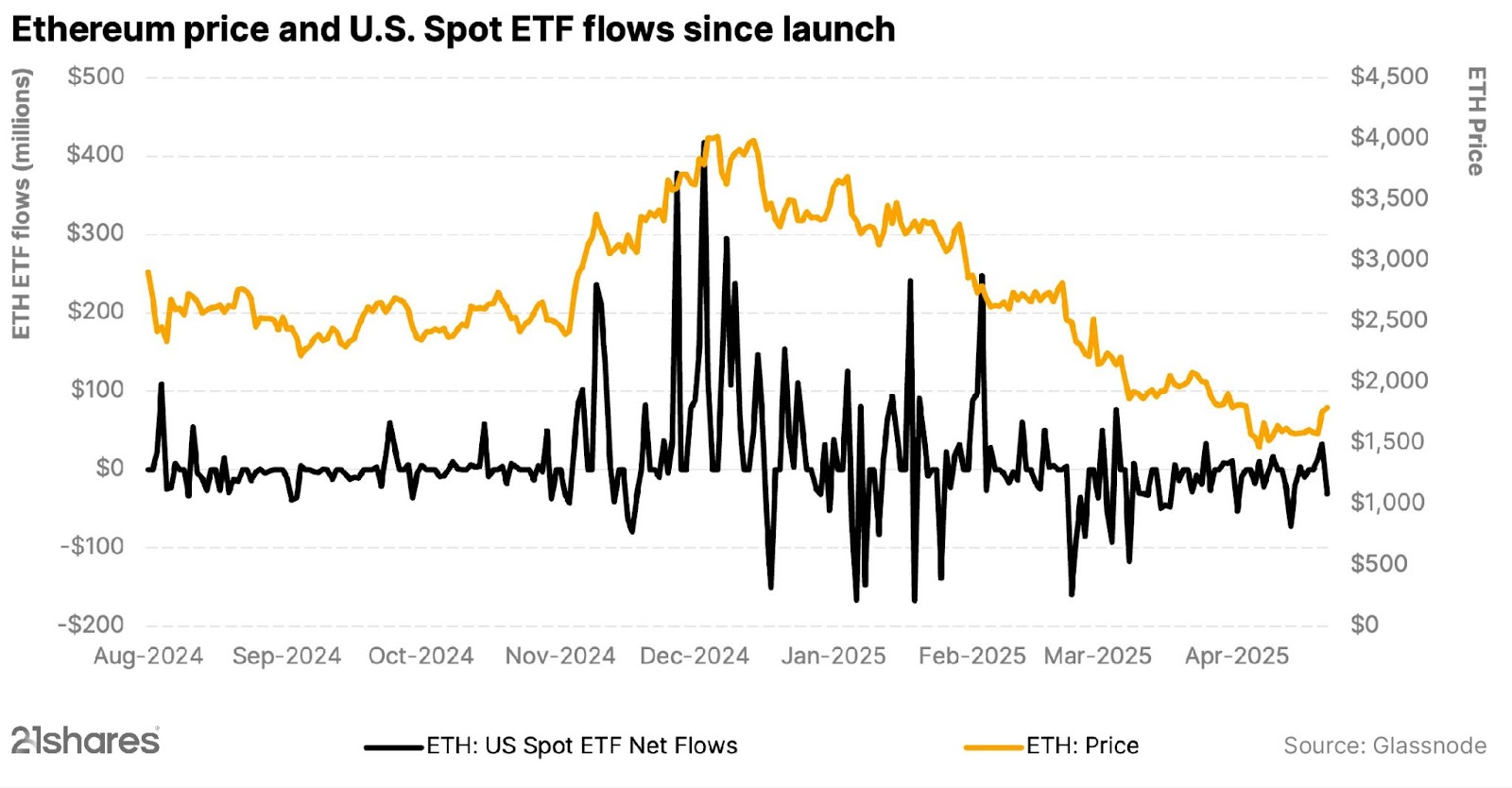
This change is vital for Ethereum’s future, especially in light of its struggle to attract institutional interest after the launch of the Ether ETF in the U.S. and the continued wait for a breakthrough moment in the price of its native token, Ether.






.svg)



_logo.svg)

.svg.png)